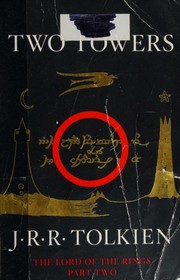
Quick verdict
Use this profile to decide whether The Two Towers fits your current mood, heat comfort, trope cravings, and time commitment before you pick it up.
- Best starting clues: 352 pages, Spice 0/5, Epic mood, Chosen One trope.
- 6 book profile links help you compare before choosing.
- 3 related guide links keep the craving going.
- Shopping and format links appear only where usable outbound data exists.
Reader fit
352 pages | Series guide available
Read if
- Readers checking whether The Two Towers fits before committing.
- Readers currently craving an epic mood.
- Readers who care about chosen one signals.
Skip if
- Readers who need live price or availability details before leaving the site.
Read if / skip if
Read if
- You want epic energy.
- You are actively looking for chosen one.
Skip if
- You need live price, inventory, narrator, or subscription data on the page today.
Mood breakdown
Use these mood cues to decide whether this path feels dark, cozy, romantic, emotional, or easier to save for later.
- Epic
Spice breakdown
- Spice 0/5
- Use this as a comfort-zone clue before you commit.
Trope breakdown
Follow these trope cues when you want the same emotional engine in a different book or guide.
- Chosen One
- Found Family
- Quest
Pacing and commitment
- 352 pages
- moderate commitment
Series context
Reading order guide | verified series context
Reader-fit check for The Two Towers
The Two Towers by J.R.R. Tolkien is a 352-page profile with decision signals for heat, content comfort, age fit, series order, and next-read matching.
0/5 spice: clean or closed-door by the visible local profile signal.
Content notes: no detailed warnings are invented here; check publisher or retailer notes if specific themes are sensitive for you.
Age fit: general/adult-reader leaning unless a publisher or retailer says otherwise; this is not an official age rating.
Series order: use the linked reading-order guide before jumping ahead.
books like The Two Towers J.R.R. Tolkien author hub reader-fit quiz
How The Two Towers actually reads.
352 pages split into two distinct halves. Pour the tea — Tolkien is in no hurry.
Where the heat happens.
Spice 0/5 — Tolkien's romance language doesn't get past a courteous bow.
What The Two Towers does to you.
Before you read it
After you read it
Why The Two Towers gets this profile.
A page-specific read on fit, heat, pacing, and commitment.
The full spoiler-free profile for The Two Towers
The Two Towers by J.R.R. Tolkien is not just a title to file under Fantasy. A better way to read this page is as a decision brief: what kind of attention does the book want, what kind of mood does it reward, and what kind of reader is most likely to finish satisfied? The surface facts matter because they shape the experience before the first chapter even has a chance to win you over. 352 pages is a different promise from 180 pages. Spice 0/5 is a different promise from a closed-door read. Slow pacing sets an expectation for how quickly the book should start paying you back.
For fantasy readers, the central test is investment. The page should tell you whether the world, rules, conflict, and character movement are worth the commitment. The Two Towers asks for 352 pages, so the hook has to do more than decorate the genre label. That does not mean every chapter has to be loud. It means the book has to keep proving why its particular mix belongs together. When a page says The Two Towers is a fantasy read with War and Friendship, the practical question becomes simple: do you want that specific recipe, or do you only want the broad genre? Genre gets you into the bookstore aisle. The deeper profile tells you whether this is the copy you take home.
The Two Towers has a 4.44/5 reader signal across 678 ratings, so the useful question is not whether anyone likes it. The useful question is whether its particular mix of length, heat, pacing, and mood matches the book you actually want tonight. Ratings can be helpful, but they flatten the reason readers respond. A five-star reader may love the exact thing a two-star reader cannot stand: the burn rate, the length, the relationship logic, the violence level, the interiority, the ending style, or the way the author spends time. This guide treats those details as the real decision points. The goal is not to prove that The Two Towers is universally good. The goal is to make the match honest.
The Two Towers is book 2 of the Lord of the Rings series, which changes the reading decision. A series book asks for more than one night of attention. It asks whether you want to carry names, conflicts, relationships, and unanswered questions forward after this page is closed. If you are choosing a book late at night, that distinction matters. A standalone can be a clean mood solve. A series entry is more like opening a door and agreeing to keep walking. Even when the page does not spoil plot details, it can still tell you what kind of commitment the book is asking for: the emotional energy, the number of pages, the heat level, the pacing style, and the likelihood that you will want another book queued up when you finish.
The best fit for The Two Towers is a reader who wants epic energy without needing the page to pretend the book is something else. If you want no-spice, story-first heat, slow-burn and deliberate movement, and a satisfying landing, the profile is pointing in the right direction. If you want a completely different shape, this is where the page should save you time. A good recommendation page is not only a sales pitch. It is also a filter. It should make the wrong reader feel free to skip without guilt.
Length is part of the story. At 352 pages, The Two Towers is a full-weekend read, which changes how you should approach it. A shorter book can win through compression: one sharp premise, one clean emotional curve, one sitting where the mood stays intact. A longer book has to earn its space by making room for escalation, character pattern, context, or a fuller atmosphere. The reading-time estimate of about 6h 27m is not just a number. It is a reminder that this book is asking for a particular kind of evening, weekend, or week.
Pacing is the second major signal. Slow pacing usually means the book is not only about what happens, but when the book decides to spend or withhold momentum. If the page says The Two Towers is slow-burn and deliberate, read the opening with that in mind. Do not ask a slow-burn book to behave like a chase scene by chapter two. Do not ask a fast book to stop and build a museum of lore. The real question is whether the pacing matches the kind of pleasure the book is promising.
Spice level is another form of reader expectation, especially because many books get recommended across audiences with very different comfort zones. Spice 0/5 means no-spice, story-first. That should tell you whether the intimacy, if any, is likely to be a side note, a relationship engine, a tension release, or a major part of the appeal. A low-spice book can still be intensely romantic or emotionally charged. A high-spice book can still have plot discipline. The number is not a moral score; it is a fit score.
The ending label matters because it affects the aftertaste. The Two Towers points toward a satisfying landing, and that is the emotional contract you are walking toward. Some readers want closure. Some want a cliffhanger because the unresolved energy is the fun. Some want a darker landing because neatness would feel false. If you have ever loved most of a book and then felt betrayed by the final twenty pages, this is the detail to check before starting.
The most useful way to read The Two Towers is to watch for whether J.R.R. Tolkien's choices reinforce the same core promise: War and Friendship. In a strong fit, the tags should not feel pasted on. Mood should show up in scene rhythm. Pacing should show up in chapter pressure. Heat should show up in the emotional math, even when the book is low-spice. The ending should feel like the book has been training you for that landing, not like a random turn added because the genre needed one.
Opening promise
The first useful question is not "is this good?" but "what contract is the opening making?" For The Two Towers, that contract is tied to fantasy, epic mood, and War and Friendship. If the first session makes those signals feel alive, the rest of the book has a clear job.
Middle pressure
Around the midpoint, pay attention to whether the book is deepening the same appeal or simply repeating it. Slow pacing should still feel intentional here. In a well-matched read, the middle makes the original hook more expensive, more complicated, or more emotionally specific.
Character investment
Even when this page does not include plot spoilers, character investment is visible through fit signals. A reader who wants epic fantasy usually needs the cast, voice, or central relationship to make the page count feel earned. That is the heart of the commitment check.
Heat usefulness
Spice 0/5 should be read as function, not decoration. If the book is low-heat, the emotional or conceptual engine has to carry more weight. If it is high-heat, the intimate moments should still change the pressure in the story instead of pausing it.
Mood consistency
Epic is the mood signature. The strongest pages keep that signature recognizable even when the plot changes speed. A book can surprise you without breaking its promise; the shift should feel like escalation, not like a different book wandered in.
Final aftertaste
Because the ending points toward a satisfying landing, the last stretch should leave the right kind of residue. That might be relief, ache, curiosity, shock, warmth, or a need to open the next book. The key is whether the ending matches the appetite that brought you here.
Reader decision matrix
Read it for: War and Friendship, epic energy, slow pacing, and a fantasy experience that knows its lane.
Do not read it for: A guaranteed match for every reader. The page is specific because The Two Towers is specific; the wrong mood will make even a strong book feel flat.
Best format: Any format that lets you keep momentum. The audiobook can work well if the sample matches the tone you want.
Best timing: A weekend with room to come back for more. The reading-time estimate is about 6h 27m.
Conversation value: Strong if your group likes talking about fit: pacing, heat, mood, ending style, and whether J.R.R. Tolkien's choices made the page count feel earned.
Shelf test: Keep it on your list if Epic Fantasy and Fantasy, War, Friendship and Quest, and spice 0/5 sound like a craving rather than a compromise.
Book club deep cuts
1. At what point did The Two Towers prove what kind of book it wanted to be? Use this question to talk about the reading experience rather than retelling the plot. The best answers will point back to mood, pacing, heat, commitment, and whether the book delivered the craving it promised.
2. Did the slow pacing help the story, or did you want a different rhythm? Use this question to talk about the reading experience rather than retelling the plot. The best answers will point back to mood, pacing, heat, commitment, and whether the book delivered the craving it promised.
3. Was War and Friendship a true engine for the book, or mostly a label that helped describe it afterward? Use this question to talk about the reading experience rather than retelling the plot. The best answers will point back to mood, pacing, heat, commitment, and whether the book delivered the craving it promised.
4. How much did the epic mood affect your willingness to keep reading? Use this question to talk about the reading experience rather than retelling the plot. The best answers will point back to mood, pacing, heat, commitment, and whether the book delivered the craving it promised.
5. Did the 352-page length feel earned by the end? Use this question to talk about the reading experience rather than retelling the plot. The best answers will point back to mood, pacing, heat, commitment, and whether the book delivered the craving it promised.
6. If you changed the spice level from 0/5, would the book improve or lose part of its identity? Use this question to talk about the reading experience rather than retelling the plot. The best answers will point back to mood, pacing, heat, commitment, and whether the book delivered the craving it promised.
7. Did the ending deliver a satisfying landing, and was that the landing you wanted? Use this question to talk about the reading experience rather than retelling the plot. The best answers will point back to mood, pacing, heat, commitment, and whether the book delivered the craving it promised.
8. What reader would you recommend The Two Towers to without hesitation? Use this question to talk about the reading experience rather than retelling the plot. The best answers will point back to mood, pacing, heat, commitment, and whether the book delivered the craving it promised.
9. What reader should avoid it, even if the genre sounds appealing? Use this question to talk about the reading experience rather than retelling the plot. The best answers will point back to mood, pacing, heat, commitment, and whether the book delivered the craving it promised.
10. Which expectation did the book meet most clearly: genre, mood, pacing, heat, or ending? Use this question to talk about the reading experience rather than retelling the plot. The best answers will point back to mood, pacing, heat, commitment, and whether the book delivered the craving it promised.
11. Would you read more from J.R.R. Tolkien based on this specific experience? Use this question to talk about the reading experience rather than retelling the plot. The best answers will point back to mood, pacing, heat, commitment, and whether the book delivered the craving it promised.
12. If you had to pitch the book in one craving sentence, what would you say? Use this question to talk about the reading experience rather than retelling the plot. The best answers will point back to mood, pacing, heat, commitment, and whether the book delivered the craving it promised.
Finish-line verdict
The Two Towers is most useful as a recommendation when the page stays specific. Calling it fantasy is only the beginning; the real profile is 352 pages, slow pacing, spice 0/5, epic mood, and a satisfying landing. Those details tell you what kind of reading night the book is likely to create.
If those signals line up with what you want, this is the kind of page where the answer can be yes quickly. If they do not line up, the page has still done its job. It saved you from forcing a book into the wrong moment and then blaming the book for not being a different one.
The deeper way to use this guide is to compare it against your current appetite. Are you looking for speed or immersion? Heat or restraint? Closure or continuation? Familiar genre comfort or a sharper mood fit? The Two Towers becomes easier to choose when you stop asking whether it is broadly popular and start asking whether it matches the exact craving in front of you.
That is the Sort By Cravings philosophy: recommendations should be practical, emotional, and honest. A book page should help you picture the reading experience before you commit. For The Two Towers, the picture is a fantasy read shaped by War and Friendship, carried by slow-burn and deliberate movement, and finished with a satisfying landing.
Should you swipe right?
The honest fit check — before you commit 352 dense pages.
♥ Swipe right if...
✕ Swipe left if...
What you'll feel, and when.
The Two Towers splits its emotional arc in half. Book Three rises to triumph at Helm's Deep. Book Four descends into something closer to a nightmare. Tolkien lets both halves have their own shape — and the cliffhanger ending makes you need Return of the King immediately.
Lines that live rent-free.
Things the back cover won't tell you.
How the ride feels.
Tolkien paces The Two Towers as two separate books in one binding. Book Three peaks at Helm's Deep and resolves at Isengard. Book Four is slower, darker, and leaves you at the edge of a cliff. The two halves feel completely different — which is exactly why the structure works.
What The Two Towers Is Really About
The Two Towers is the book where Tolkien asks what happens to a quest when the people on it start making different choices. Fellowship held the group together by proximity and fear. By page one of this book, Boromir is dead, Merry and Pippin are prisoners, and Frodo has chosen to go to Mordor alone. The fellowship isn't just broken — it's fractured into new shapes. And Tolkien uses that fracture to tell two completely different kinds of stories at once.
J.R.R. Tolkien writes Book Three like a cavalry novel and Book Four like a horror story. The first half belongs to Aragorn's growing leadership, Théoden's return, and the siege of Helm's Deep. The second half belongs to Frodo and Sam's slow descent toward Mordor, with Gollum as a guide you cannot trust for a single page. The tonal whiplash between the two halves is the entire point — it's the book teaching you that this war is being fought on scales nobody can see at the same time.
At 352 pages, it's the shortest of the three volumes, but don't let the page count fool you. Tolkien's sentences are dense, his digressions into history and song are frequent, and the cliffhanger at the end is one of the most effective in 20th-century literature. If you can make it to Shelob's lair, you will finish the trilogy. The book makes sure of it.
The Two Towers Tropes & Themes
Books Like The Two Towers
Hooked on slow-build epic fantasy with moral weight? Our full guide goes deeper.
Finished? Here's what to read next.
🎧 Audiobook Verdict
💬 Book Club Starters
How long will The Two Towers take you?
Based on ~155,000 words across 352 dense pages.
Which storyline of The Two Towers hit harder?
What happens in The Two Towers? (light spoilers — tap to expand)
Aragorn, Legolas, and Gimli pursue the Uruk-hai who captured Merry and Pippin across the plains of Rohan. They meet the riders of Rohan, reunite with a resurrected Gandalf, and ride to help King Théoden throw off Saruman's influence. The first half climaxes at Helm's Deep and the march on Isengard, where the Ents have already done most of the work.
Meanwhile, Frodo and Sam have left the fellowship and are making their way toward Mordor alone. They capture Gollum, force him into a fragile alliance, and cross the Dead Marshes, the Black Gate, and eventually into Faramir's territory in Ithilien. Faramir lets them go. Gollum leads them deeper.
The cliffhanger ending strands Sam outside a passageway into Mordor with Frodo poisoned and apparently dead at his feet, and Orcs closing in. Tolkien stops the book mid-disaster. You will need Return of the King immediately.
About J.R.R. Tolkien
John Ronald Reuel Tolkien was a philologist, Oxford professor, WWI veteran, and the writer who effectively invented modern epic fantasy as a genre. He drew on Beowulf, Norse myth, Finnish legend, and his own war experiences to build Middle-earth across four decades of notebooks, maps, and invented languages. He wrote The Lord of the Rings over twelve years between 1937 and 1949.
Tolkien's battlefield experience at the Somme shaped the grief that runs under every siege and march in The Two Towers. He saw friends die. He wrote characters who carry that same specific weight. Critics sometimes call him escapist — he hated the word. For Tolkien, fantasy was how you survived the things that actually happened. More on his author page.
Need more books that move like Tolkien?
One mood-profiled match per week. Epic fantasy, honest pacing, zero hype.
No spoilers. No spam. Just books worth losing sleep over.
Disclosure: Some outbound links are affiliate links. As an Amazon Associate, Sort By Cravings earns from qualifying purchases at no extra cost to you.
Need a cleaner match?
Use the craving quiz to sort by mood, spice, trope, and time commitment.
Take the craving quiz